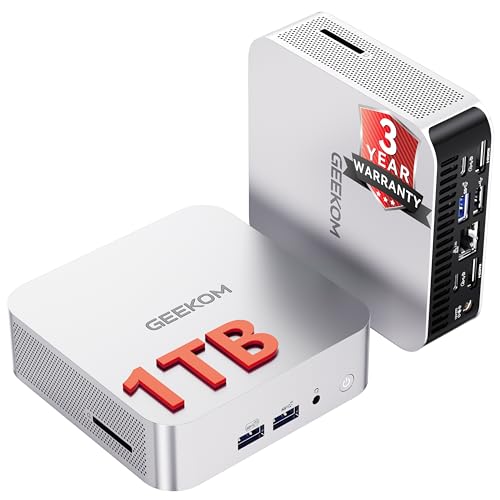
Choosing the right desktop computer can be a daunting task, especially with the vast array of options available in the market today. This guide will cover the essential factors to consider when selecting a desktop computer, including performance specifications, design features, and intended use. Understanding these elements will help you make an informed decision and find a computer that meets your needs effectively.
This guide is aimed at UK buyers who are looking to purchase a desktop computer, whether for personal use, gaming, or professional tasks. You will learn about key features to look for, such as processor speed, RAM, storage options, and graphical capabilities. Additionally, we will discuss price ranges, which typically vary from budget models to high-end systems, ensuring that you can find the right fit for your budget and requirements.
Assess Your Needs
Before purchasing a desktop computer, evaluate your specific needs. Determine whether you require it for basic tasks like browsing and word processing, or for more demanding activities like gaming or video editing. This will guide your choice of specifications.
People Also Look For:
- XFX Radeon HD 5670 512MB - graphics cards (Active, AMD, GDDR5, PCI Express 2.1, 2560 x 1600 pixels, 2048 x 1536 pixels)
- Wantek USB Headset with Microphone, PC Headphones with Mic Noise Cancelling Wired USB Laptop Headsets for Computer Microsoft Teams...
- Java Software Solutions, Global Edition
- KOKUYO Composition Notebooks, 3 Pack Campus 9-3/4\" x 7-1/2\" Comp Book with College Ruled, 80 Sheets, Pink Blue Lavender School L...
- Custom Ovation Build: 3 (W. G. Sweet Guitar Books)
Consider Size and Form Factor
Desktop computers come in various sizes, including tower, all-in-one, and compact models. Choose a form factor that fits your workspace and lifestyle. For example, all-in-one computers save space but may have limited upgrade options compared to traditional towers.
Check Specifications
Pay close attention to specifications such as the processor (CPU), memory (RAM), and storage type (HDD vs SSD). A more powerful CPU and ample RAM will ensure smoother performance, while an SSD can significantly speed up boot and load times.
Look for Warranty and Support
When investing in a desktop computer, consider the warranty and customer support offered by the manufacturer. A good warranty can provide peace of mind and protect your investment in case of hardware issues.
Set a Realistic Budget
Desktop computers can range significantly in price. Set a budget that reflects your needs and consider what features are most important to you. Remember that you may also need to budget for peripherals like a monitor, keyboard, and mouse.
Consider Future Upgrades
Think about the future when selecting your desktop computer. Choose a model that allows for upgrades, such as additional RAM or a better graphics card, to extend its lifespan and adapt to your changing needs.