The Ultimate Guide to Choosing the Right Computer for Your Needs
Introduction
Choosing the right computer can be a daunting task with so many options available in the market today. Whether you are looking for a laptop, desktop, or a tablet, it is essential to consider your specific needs and preferences before making a purchase. In this guide, we will break down the key factors to consider when choosing the right computer for your needs.
1. Determine Your Needs
The first step in choosing the right computer is to determine your needs. Are you looking for a computer for work, gaming, multimedia editing, or simply browsing the web? Understanding your primary use will help narrow down the options and find a computer that meets your requirements.
2. Consider the Operating System
There are three main operating systems to choose from: Windows, macOS, and Chrome OS. Windows is the most popular and versatile option, offering a wide range of software compatibility. macOS is known for its user-friendly interface and seamless integration with other Apple devices. Chrome OS is a lightweight operating system designed for web browsing and cloud-based applications.
3. Choose the Right Form Factor
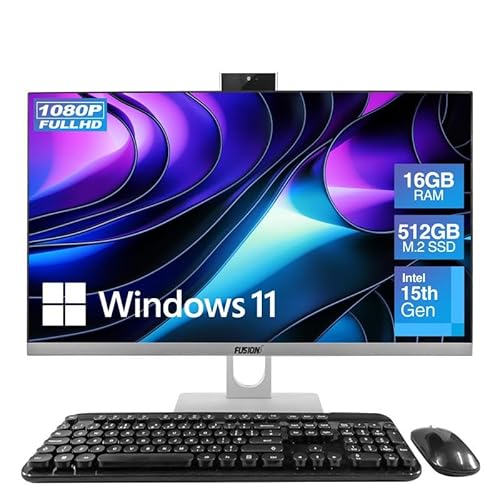
Computers come in various form factors, including laptops, desktops, all-in-ones, and tablets. Laptops are portable and convenient for on-the-go use. Desktops offer more power and upgradeability. All-in-ones combine the monitor and computer into one sleek package. Tablets are ideal for casual browsing and entertainment.
People Also Look For:
- iClever Bluetooth Kids Headphones, BTH12 Colorful LED Lights Kids Wireless Headphones Over Ear with 74/85/94dB Volume Limited, 55H...
- The 2023 Report on Contact Center Software Solutions: World Market Segmentation by City
- SHOKZ OpenRun Mini Bone Conduction Headphones, Open-Ear Bluetooth Sports Earphones with Mic, IP67 Waterproof Wireless Headset for ...
- Car Dent Repair Puller Data Recovery Sheet Metal Shaping No Putty Spot Welding Tool Accessories Finishing Clamp,
- Oxtxuzdm Ethernet Over Coaxial Adapter Passive Networking Transmitter Receiver Digital Signals Transmission Up To 220m Cable Netwo...
4. Consider the Specifications
When choosing a computer, it is essential to consider the specifications that will meet your needs. Key specifications to look out for include the processor, RAM, storage, graphics card, and display resolution. Higher specifications are ideal for demanding tasks such as gaming and multimedia editing.
5. Think About Portability
If you need a computer that you can easily carry around, portability is a crucial factor to consider. Laptops and tablets are the most portable options, while desktops are stationary. Consider the weight and size of the computer to ensure it meets your portability needs.
6. Budget Consideration
Setting a budget is essential when choosing a computer. Computers range in price from budget-friendly options to high-end models. Consider how much you are willing to spend and find a computer that offers the best value for your budget. Remember to factor in additional costs such as accessories and software.
7. Check Reviews and Recommendations
Before making a final decision, it is advisable to check reviews and recommendations from experts and other users. Reading reviews can provide valuable insights into the performance, reliability, and user experience of a computer. Additionally, seek recommendations from friends and family who have experience with different computer models.
8. Consider Future Upgradability
When choosing a computer, it is essential to consider future upgradability. Some computers allow you to upgrade components such as RAM, storage, and graphics cards, while others have limited upgradability. If you plan to keep your computer for an extended period, opt for a model that allows for easy upgrades.
9. Warranty and Support
Lastly, consider the warranty and support options available for the computer you choose. A comprehensive warranty can provide peace of mind in case of any hardware issues. Additionally, check the availability of customer support and service centers in your area to ensure timely assistance when needed.
Conclusion
Choosing the right computer for your needs requires careful consideration of your specific requirements, preferences, and budget. By following the tips outlined in this guide, you can make an informed decision and find a computer that meets your needs and enhances your computing experience.